
About TRU
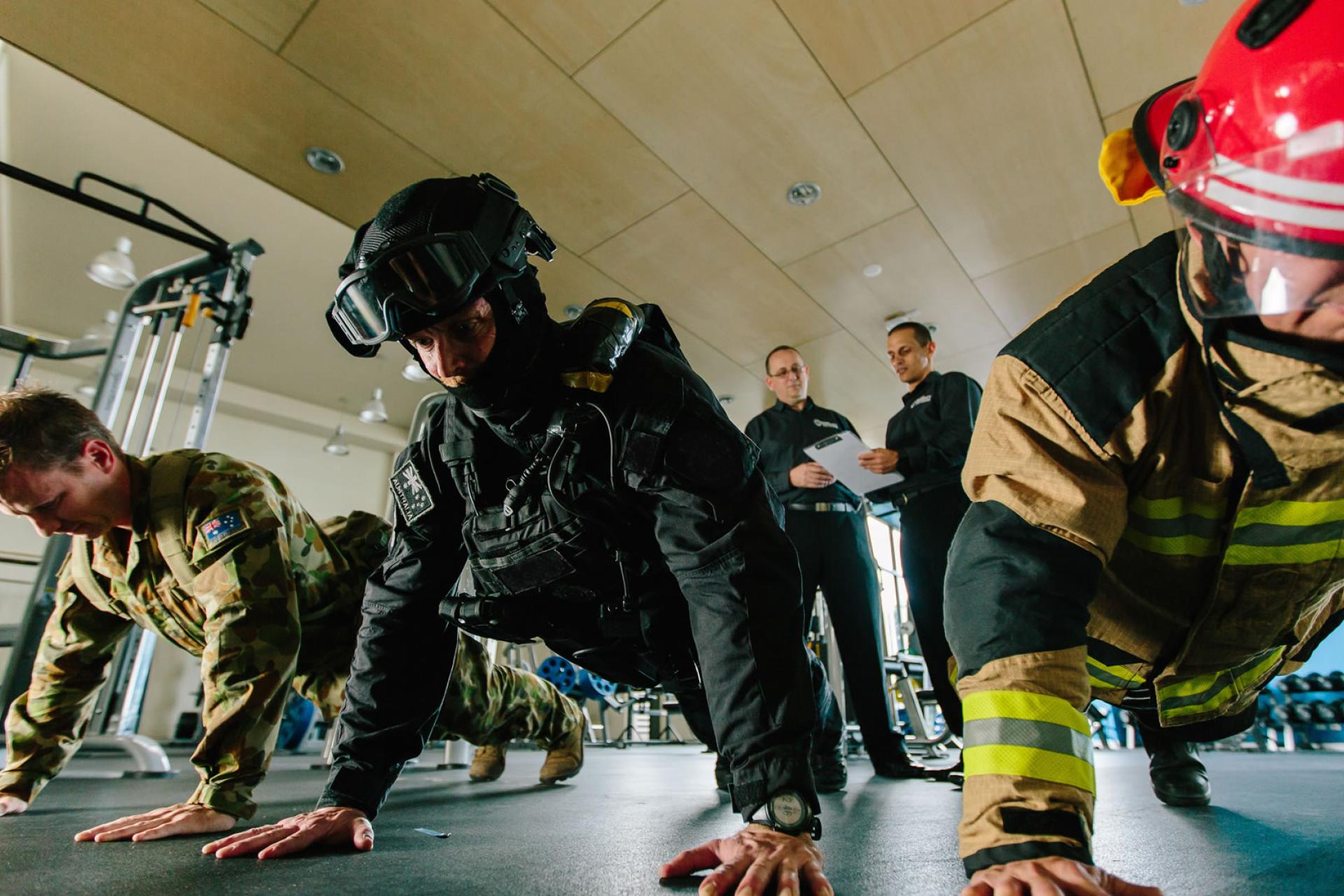
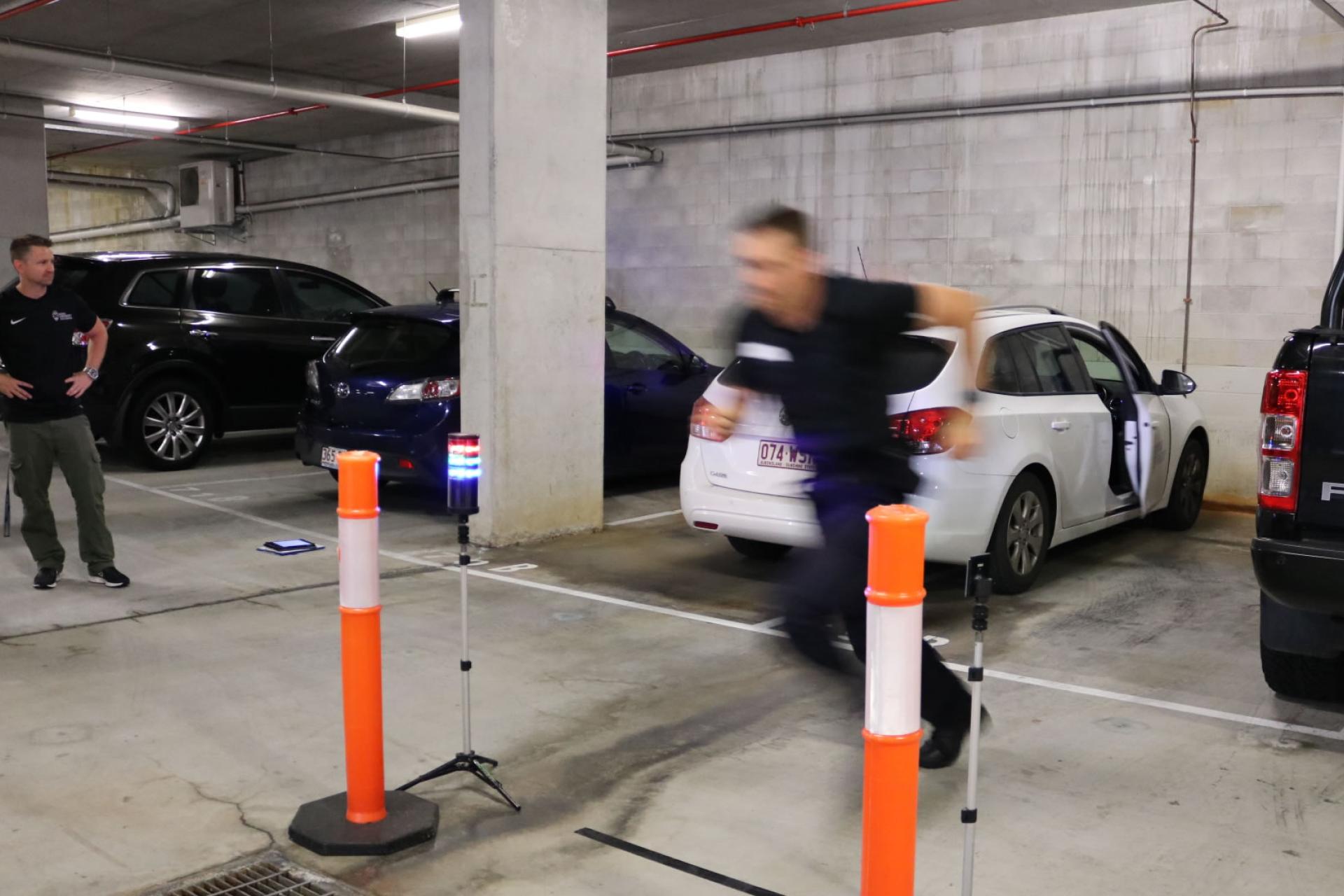
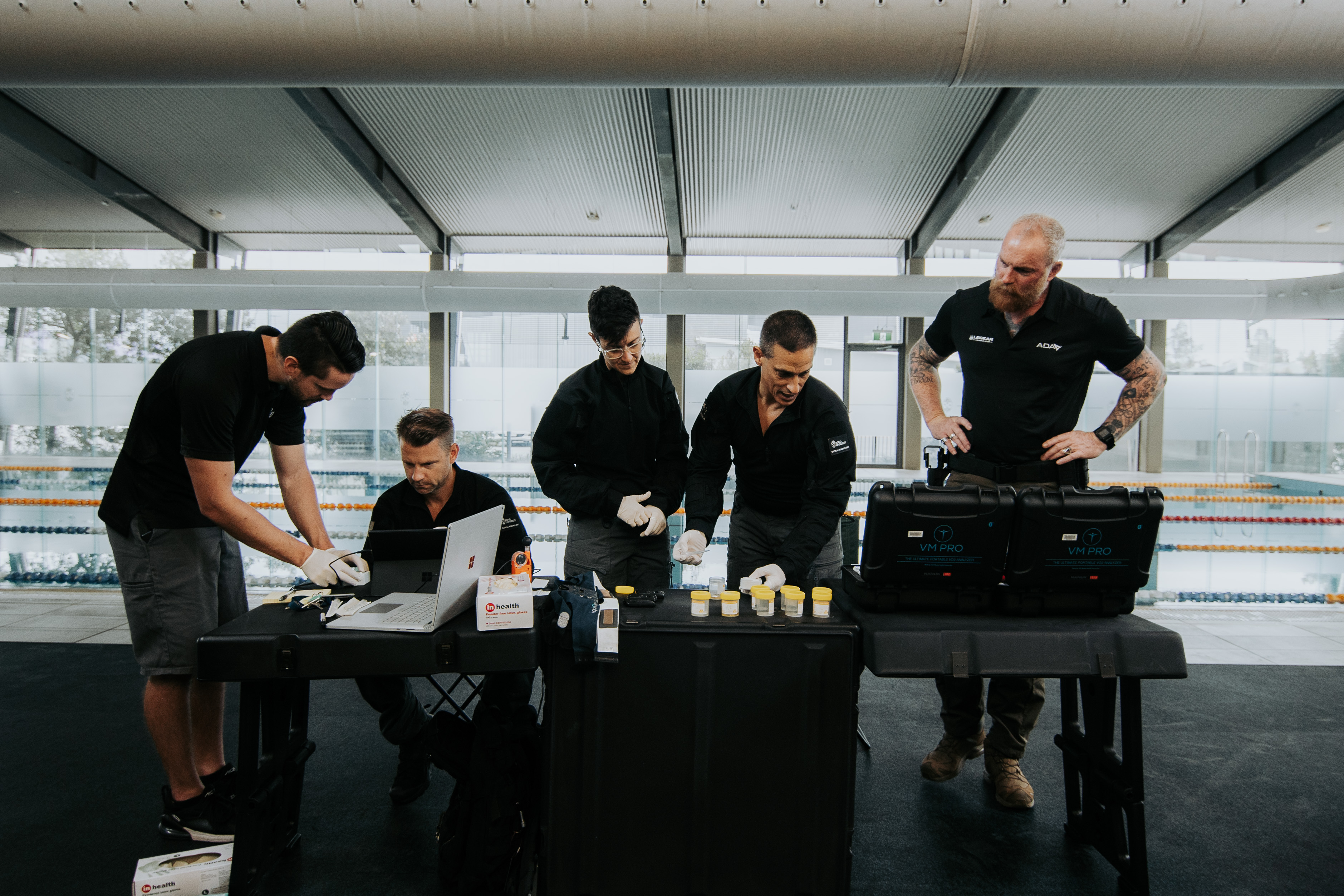
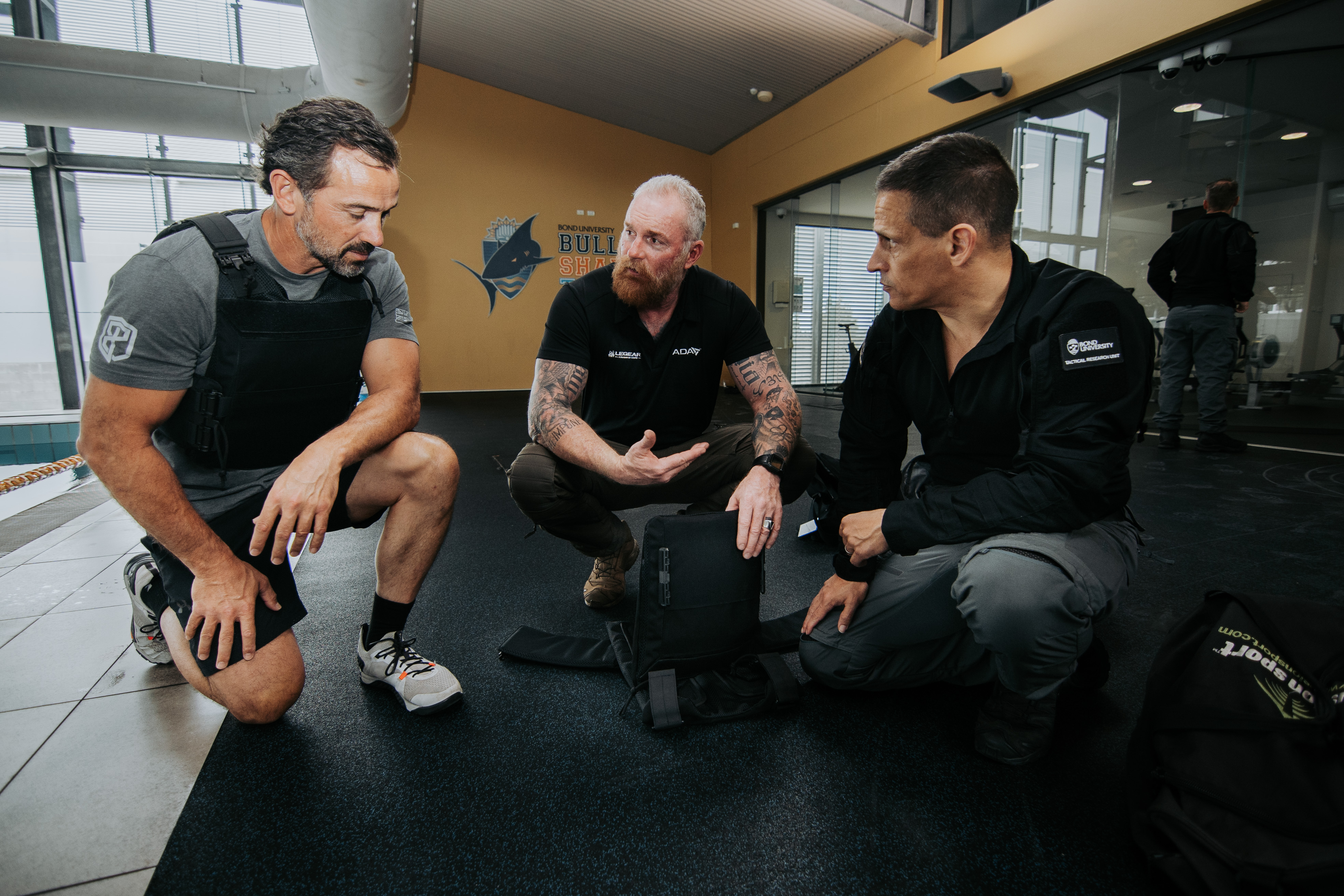
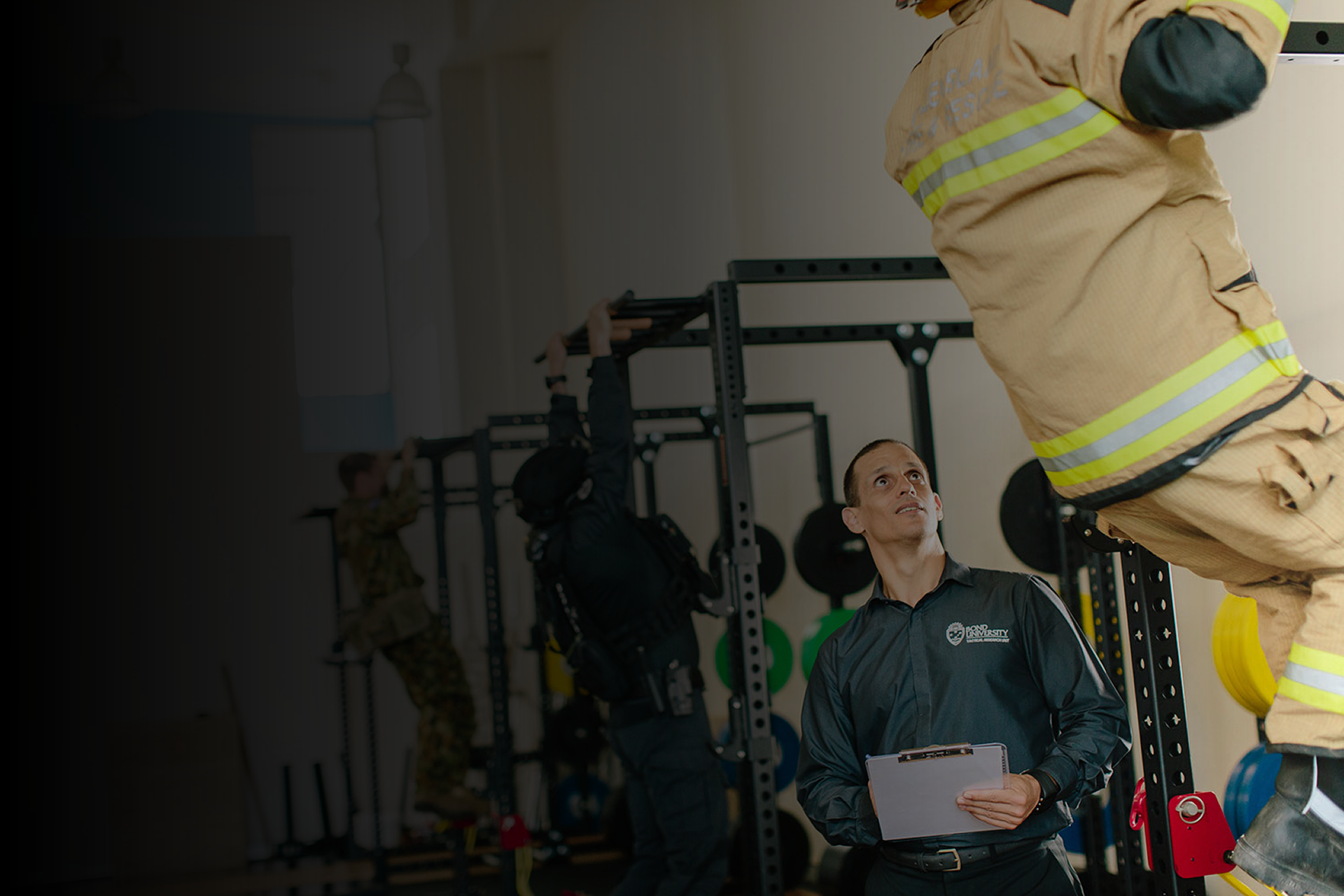
The TRU is a network of multidisciplinary international experts who investigate ways to optimise the physical and cognitive capabilities, and safety of tactical personnel – whether military, law enforcement, firefighters, or first responder organisations.
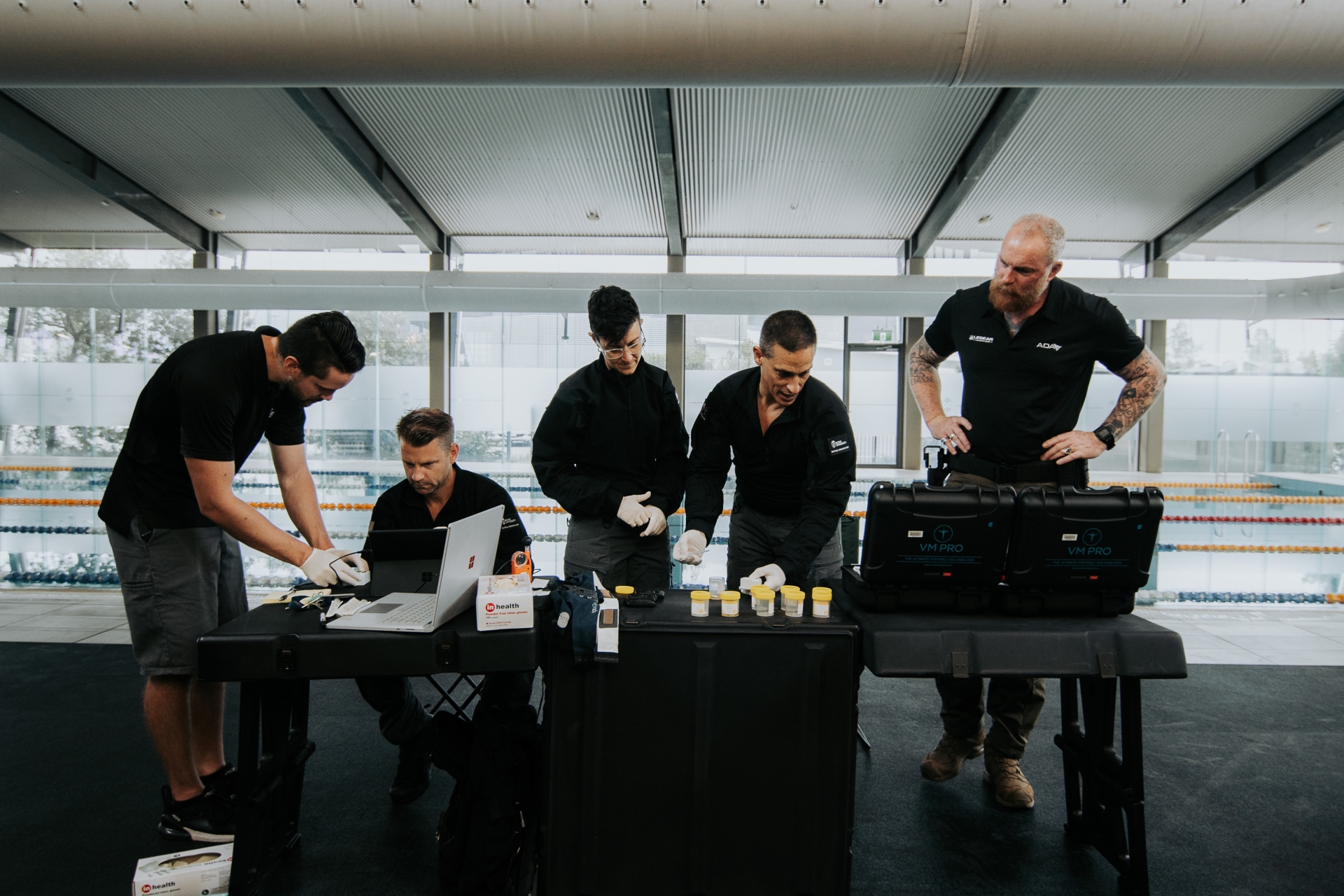
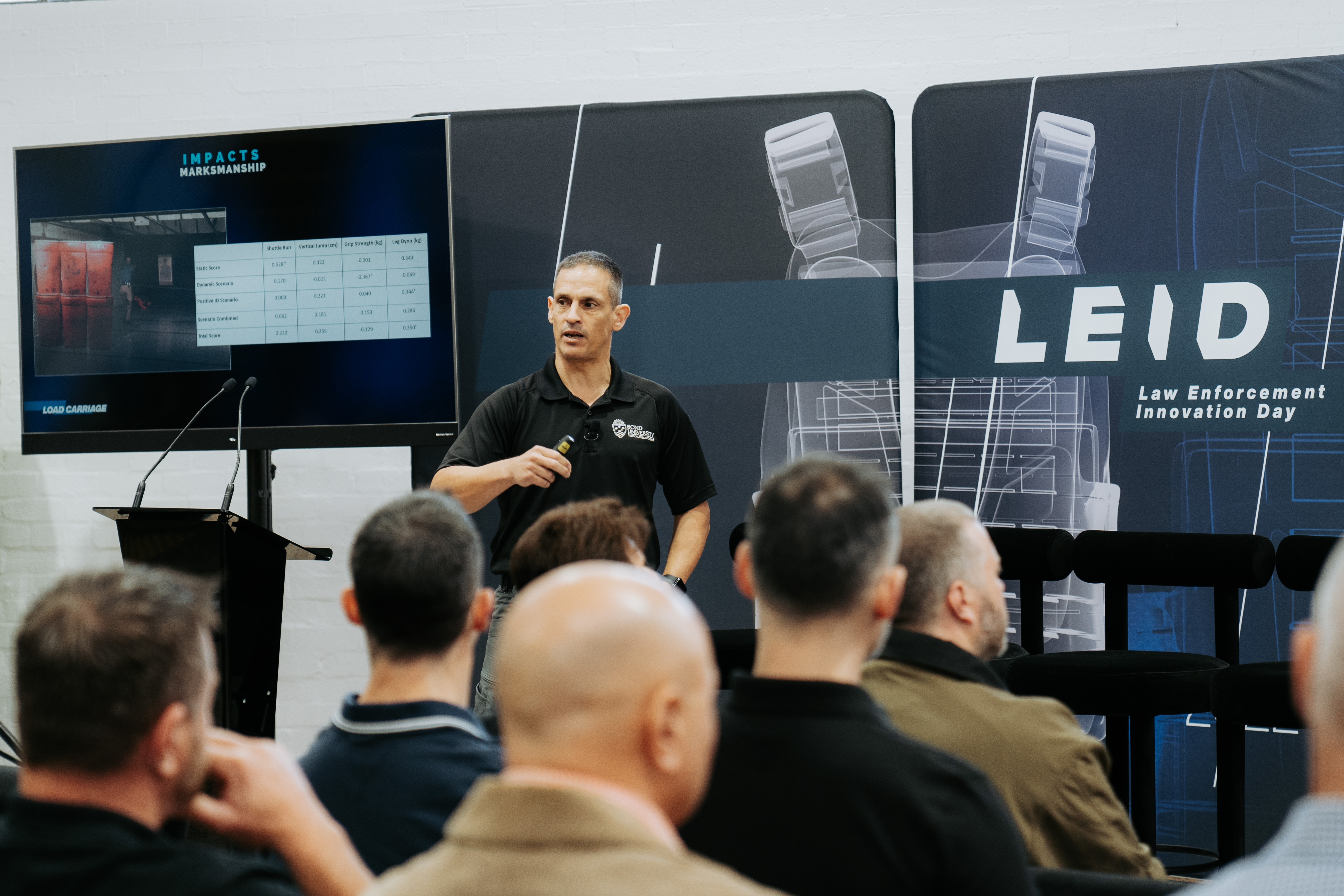
Comprised of academic researchers and personnel who have served in tactical professions, the TRU provides the critical transfer of scientific evidence to pragmatic application across tactical, operational, and strategic management levels. Using a bespoke 'Trident Approach' the TRU engage with academics, industry and end-users to ensure research has real world outcomes.
The TRU is nested within Bond University’s Faculty of Health Sciences & Medicine, which received the highest possible ranking of ‘well above world standard’, and ‘at world standard’ for human movement and sports science, from the Australian Research Council (ARC) in its Excellence in Research for Australia (ERA).
The overarching aim of the group is to improve the fitness, health, wellbeing and occupational performance of those who serve and ensure new research findings are shared across the different tactical populations.
Services
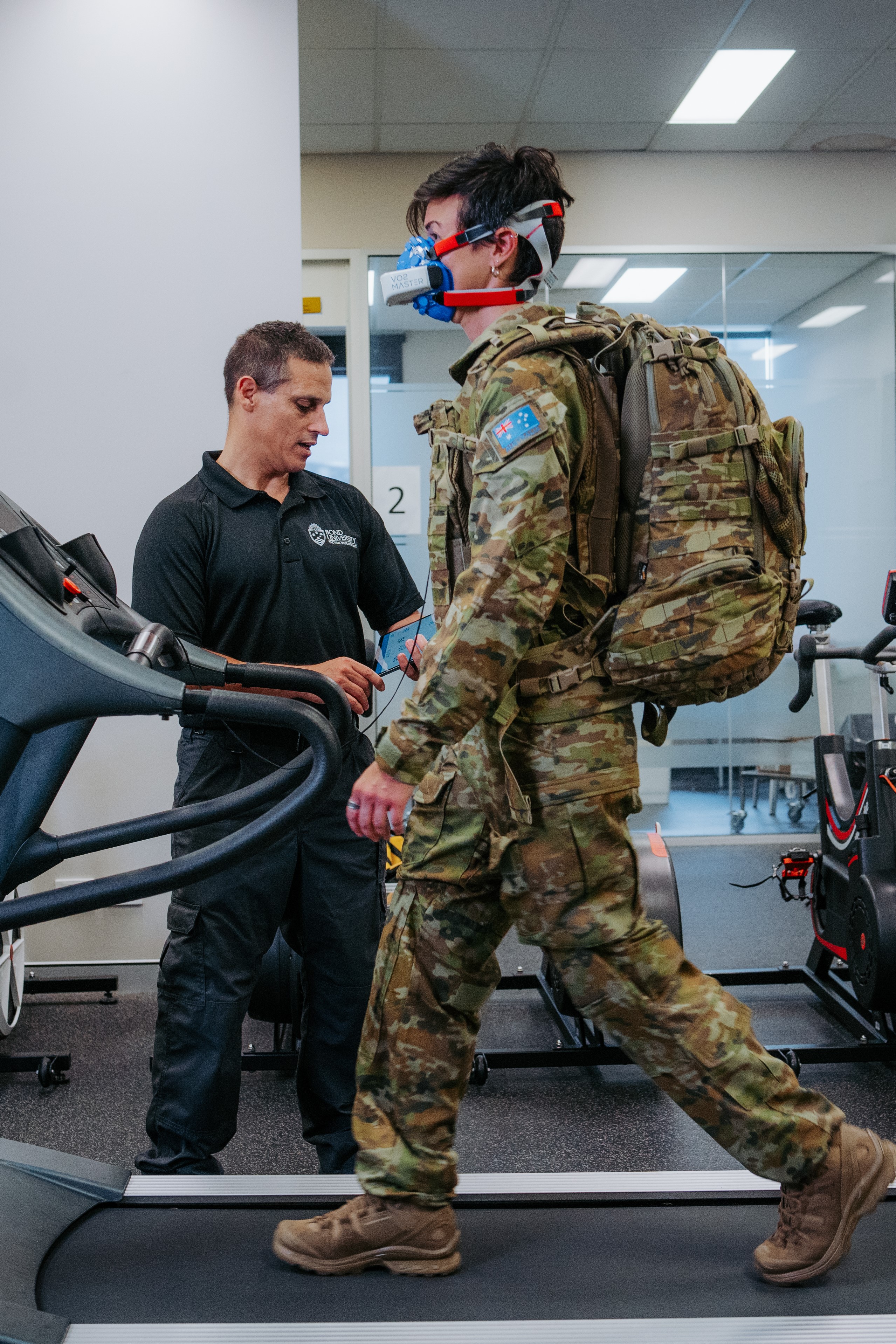
The TRU provides services to government, industry, academic and private institutions. These include research projects, consultancy reports and educational and training packages.
Since 2015, the TRU team has conducted research across multiple tactical agencies covering initial training through to specialist selection and rehabilitation.
Consultancy projects have included the development of evidence-based, tactically viable, reports to inform multiple agencies and the generation of injury management, assessments, and conditioning optimization frameworks.
Education and training services use the latest research evidence and practical experience to provide workshops, courses or longer programs to tactical personnel as well as their support staff, such as physiotherapists, physical training instructors, and strength and conditioning coaches.
Latest news
Into the breach
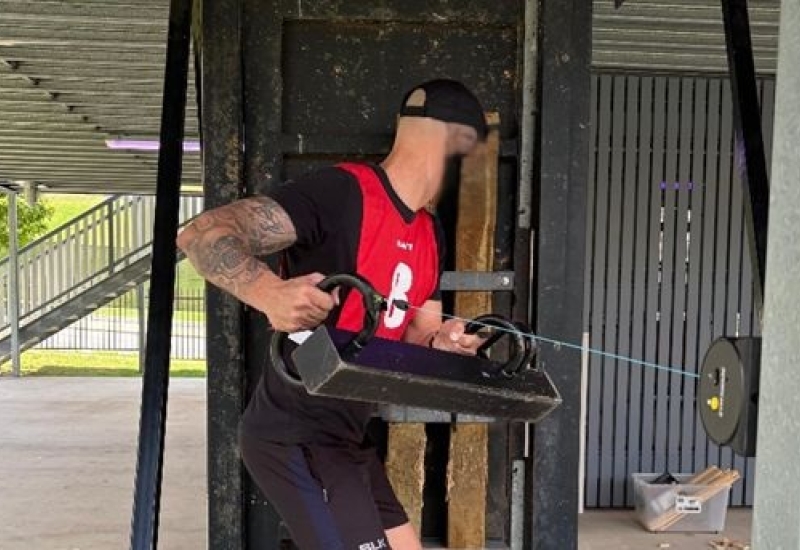
Breaching looks simple, until you measure it.
Dynamic entry is one of those tasks that feels intuitive to operators: fast, violent, and over in seconds. But despite its importance, we’ve never actually known how much power a breach requires. So we set out to quantify it.
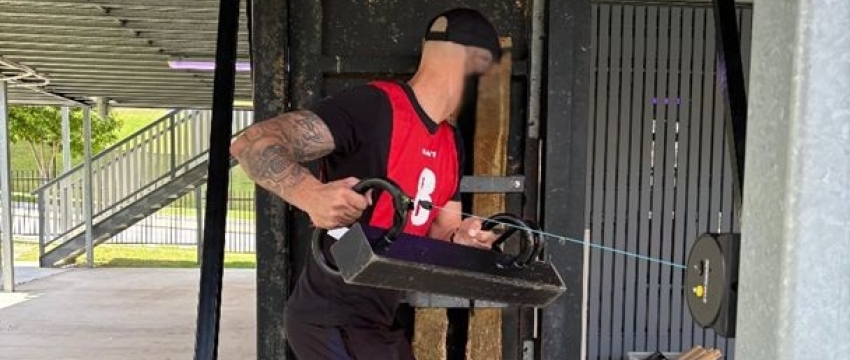
Using a GymAware linear transducer attached to a 15 kg ram and a 5.11 breaching door, we captured the power output produced during strikes against inserts (“chocks”) that simulate increasing door resistance. Across the cohort, breaching generated:
1 chock: 2987.4 ± 467.0 W
2 chocks: 3014.2 ± 589.7 W
3 chocks: 3297.4 ± 657.3 W
To put that into context, these outputs are equivalent to the explosive power produced in a 33–34 cm vertical jump (for ~3000 W) and a 38–39 cm vertical jump (for ~3300 W), based on the Sayers equation. In other words, breaching sits squarely in the high‑power, alactic domain, the same physiological profile we see in VJ performance, dead‑ball throws, and the initial phase of casualty drags.
To our knowledge, this is the first dataset to quantify breaching power output in a real‑world policing context. And that matters, because it finally gives us something we’ve never had before: A measurable benchmark for training.
Instead of guessing what “operationally ready” looks like, we can now anchor power development to actual task demands. It informs:
- threshold targets for explosive power,
- return‑to‑work criteria,
- selection standards,
- and conditioning programs that genuinely reflect the job.
Breaching will always be a high‑stakes, high‑power action. Now we can train for it with precision.
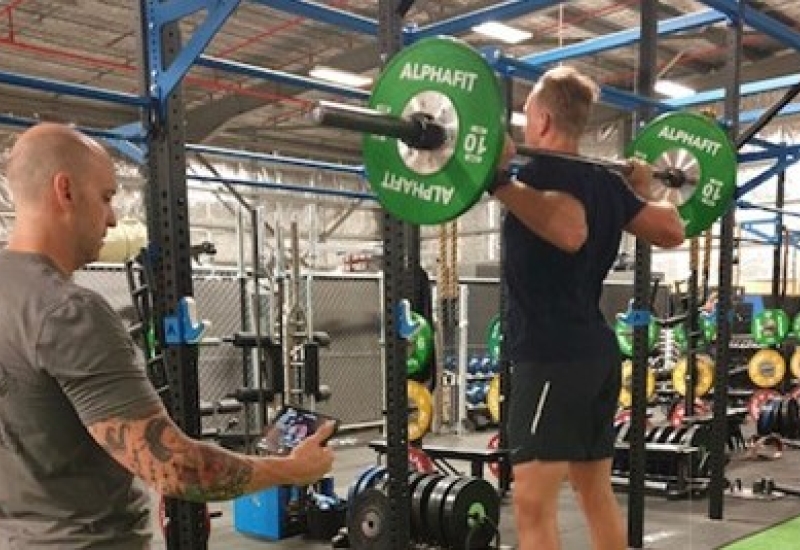
Conditioning Specialist Police
This study by our PhD student and Tactical Coaching Extraordinaire Coach Jeremy Robinson in JSCR (doi: 10.1519/JSC.0000000000005356) was recently published.
A 12‑week Daily Undulating Periodisation (DUP) program delivered to specialist police trainees produced simultaneous improvements in:
-
Strength (pull‑ups, split squat)
-
Lower‑limb power across unloaded and loaded CMJs
-
Anaerobic performance (RAST total time ↓ 1.12 s)
-
Aerobic capacity (MAS ↑ 0.09 m/s; VO₂max ↑ 1.10 ml/kg/min)
All while these officers were completing high‑tempo tactical skills training, limited recovery, sleep and nutrition disruption, moving and wearing loads of over 20 kg, and the unpredictable demands that come with specialist policing – with no ‘opt out’ option.
This is the real story:
Tactical personnel don’t need to “peak”, they need to sustain readiness under constraints athletes never face. They may even have to perform at their best in a critical incident with little notice immediately after training session.
Smart programming like DUP helps bridge that gap.