
New article alert!

The ability of fitness testing to predict injury risk during initial tactical training: A systematic review and meta-analysis
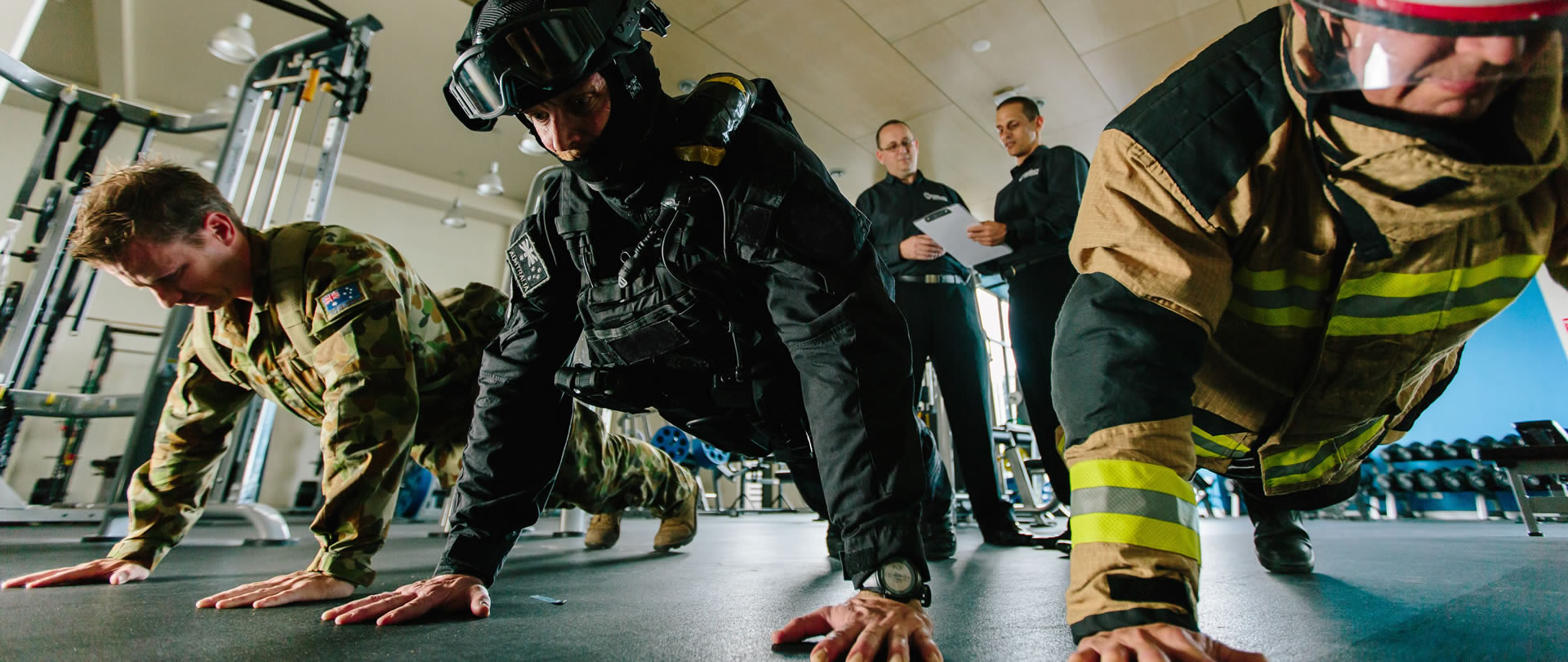
Regardless of their role within an organization, all tactical personnel require sufficient physical fitness to be able to complete daily occupational tasks safely and effectively. One challenge faced by tactical training institutions lies in the use of physical training to increase fitness, especially in less fit trainees, when physical training itself is known to contribute to injury risk. Therefore, the aims of this review were to identify studies that have investigated associations between fitness measures and injuries, critically appraise the quality of these studies, and synthesize key findings to inform tactical organizations. Twenty-seven studies were ultimately included. Mean Critical Appraisal Skills Programme score was 10.6/12 (9-12) for cohort studies and 9.5/10 (9-10) for case-control studies. A meta-analysis was performed on publications studying a timed, fixed-distance run, reporting hazard or risk ratios categorically and the number of injuries in each group. The combined risk ratio was determined to be 2.34 (95% CI 2.02-2.70). This indicates a significant increase in risk of injury during training for personnel who performed in the slowest quartile or quintile when compared to peers in the fastest quartile or quintile, which follows given this high volume of distance weight bearing activity required by tactical personnel. Muscular endurance tests, such as pushups, sit-ups and pull-ups were less conclusive in their predictive abilities. Functional strength tests were effective predictors, but only four studies reported on a measure of strength, and only two were functional measures, indicating a need for further study in this area.